I'm grateful for Martin Luther King Jr.'s gifts to this culture. I like the fact that he was persistent, courageous, skillful, and flawed. I'm ok with flaws. I've several. Martin Luther King was exactly the way he was, did extraordinary things, and helped diminish the unkindness and blinding prejudice permeating our society and rotting our psyche.
If you break openWhere is Martin now? If you say, "He's dead," or "He's still alive," you are right, but partially. If you say, "He is in heaven," you are again only partially right. If you suggest, "He's in the ground, nowhere else," you are still only half right.
The cherry tree,
There is not a single flower.
But the skies of spring
Bring forth the blossoms!
- Ikkyu (1394-1481)
In the photo on Huffington Post, Martin is linked-arms with Dr. Benjamin Spock on one of the marches, (Eunice Kennedy and Rosie Greer alongside). It occurs to me, in that Ben Spock used to attend silent sittings at our shop the year before his passing, that through his handshake and presence, Saskia and I have been "in touch" with Dr King.
Martin is hic et nunc, here and now: alive/dead, heaven/ground. He's where we least suspect.
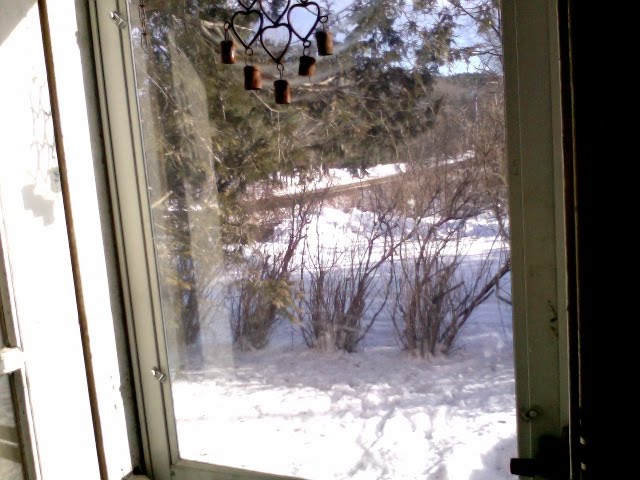
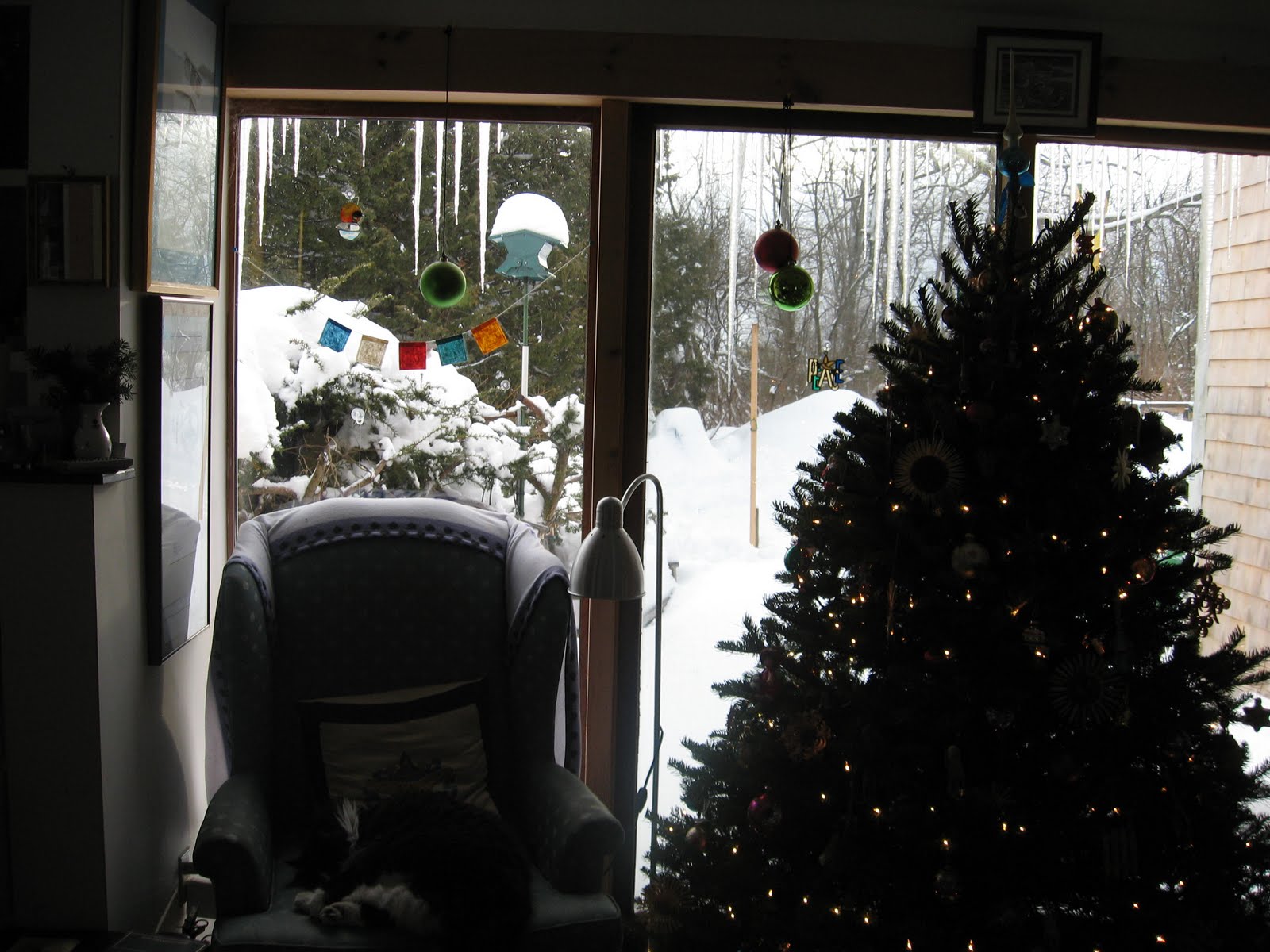
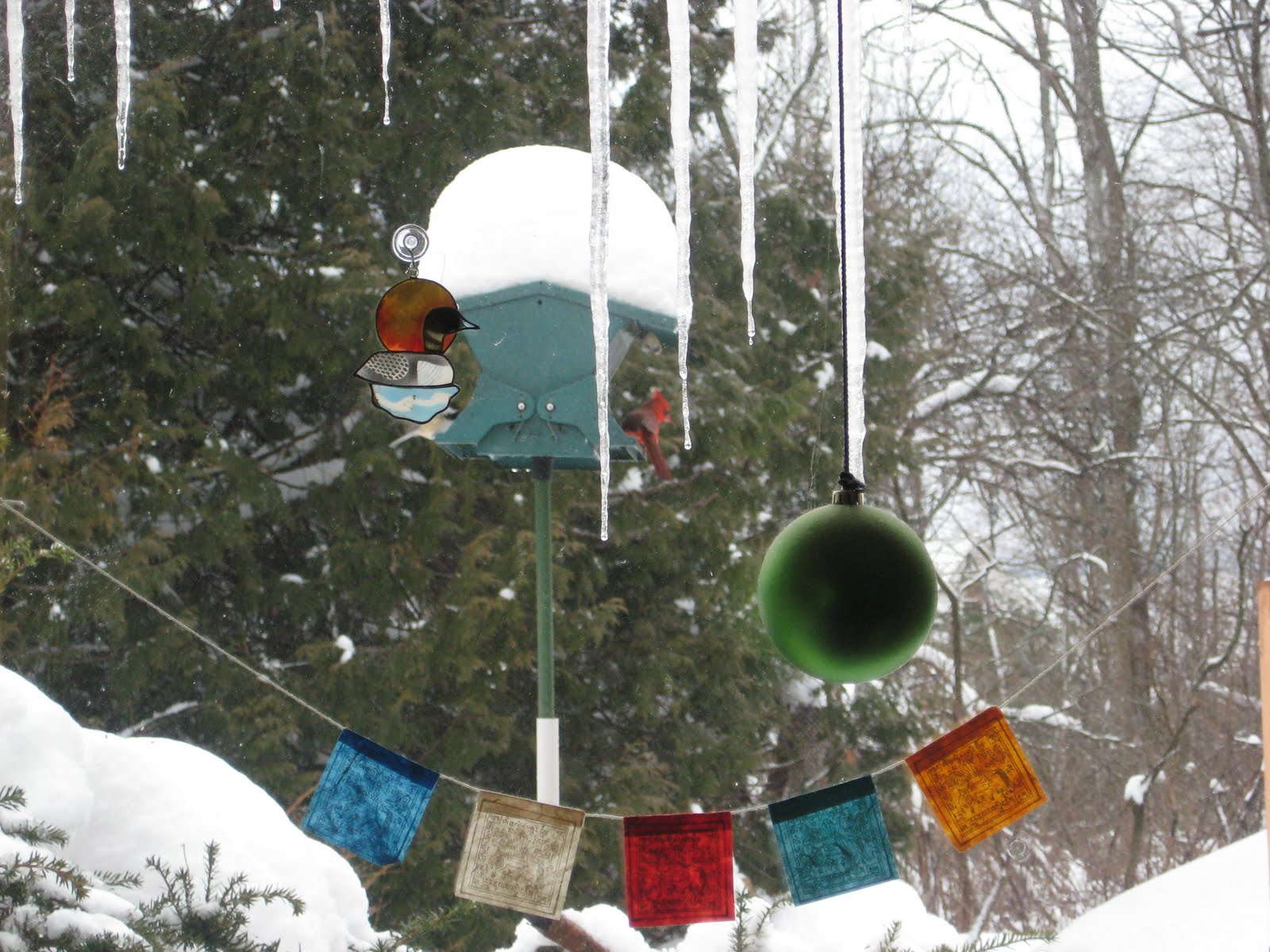
In its physical reality there is only the total system; as far as its real operations and structure, all and each of the psychic notes are “of” the organic notes, and each one of the organic notes is a note “of” the psychic notes. Therefore, man does not “have” psyche and organism, but “is” psycho-organic, because neither organism nor psyche, each by itself, has any substantivity; only the system has it. Because of this I think we cannot talk about a psyche without an organism. Let us say in passing, that when Christianity for example, talks about surviving and immortality the one that survives and is immortal is not the soul, but man, that is, the whole human substantivity. Anything else is not of faith. Man is not psyche “and” organism, but rather his psyche is formally and constitutively “psyche-of” this organism, and this organism is formally and constitutively “organism-of” this psyche. The psyche is organic by itself and the organism is psychic by itself. This moment of the “of” is numerically “identical” in the psyche and the organism, furthermore it incorporates a “physical” characteristic. This numerical and physical identity of the “of” is what formally constitutes the systematic unity of human substantivity. It is a structural unity; structure is precisely and formally the unity of an “of” in its notes. Hence, human substantivity {108} is “one” by itself and from itself. The moments of this substantive system codetermine each other, but not as potency and act (as the Aristotelians might put it) of a hylomorphic substantial unity, but as realities in act and ex aequo whose codetermination consists in each being “of” all the rest. The “of” is a unity of the metaphysical type superior to the unity of potency and act. Moreover, in this “of” not only the radical unity of human substantivity consists, but also the very sameness during its entire life, a sameness that is entirely different from the numerical persistence of all the notes, something perfectly inexistent. Consequently, man is a psychorganic substantivity.The snow in Maine this morning is light and nearing 4-6 inches. I finish nailing off the wood ceiling on 2nd floor of bookshed. Rokie is relentlessly dropping tennis ball under chair in Wohnkuche. I'm growing adept at tossing it across kitchen up through louvered doors on far upper wall and through to upstairs hallway. It's a necessary skill to occupy the Border Collie. (Oops...I missed. Three for seven now! ... Four for fifteen -- just like my sandlot batting average -- 'adept' was, as usual, inaccurate.)
(MAN AND HIS BODY, by XAVIER ZUBIRI, From ESCRITOS MENORES (1953-1983), Alianza Editorial, Madrid, 2006, pp. 103-116, (Original article El hombre y su cuerpo, appeared in the journal Asclepio, No. 25, 1973, pp. 9-19), Translated by Joaquín A. Redondo, M.E., M.A. (Phil.) 2008)
The Edges Of TimeI climb Tom's ladder to dust blades of overhead fan. It stops wobbling.
It is at the edges
that time thins.
Time which had been
dense and viscous
as amber suspending
intentions like bees
unseizes them. A
humming begins,
apparently coming
from stacks of
put–off things or
just in back. A
racket of claims now,
as time flattens. A
glittering fan of things
competing to happen,
brilliant and urgent
as fish when seas
retreat.
(Poem, The Edges of Time, by Kay Ryan)
 Bald Mountain is serene in white snow across the way. Chickadee take seed. Cape Breton dory rower keeps his back to the wind atop vane. The pain in my head abates. It is all a matter of time and earth.
It is a good pericope for Martin -- "brilliant and urgent."
No retreat!