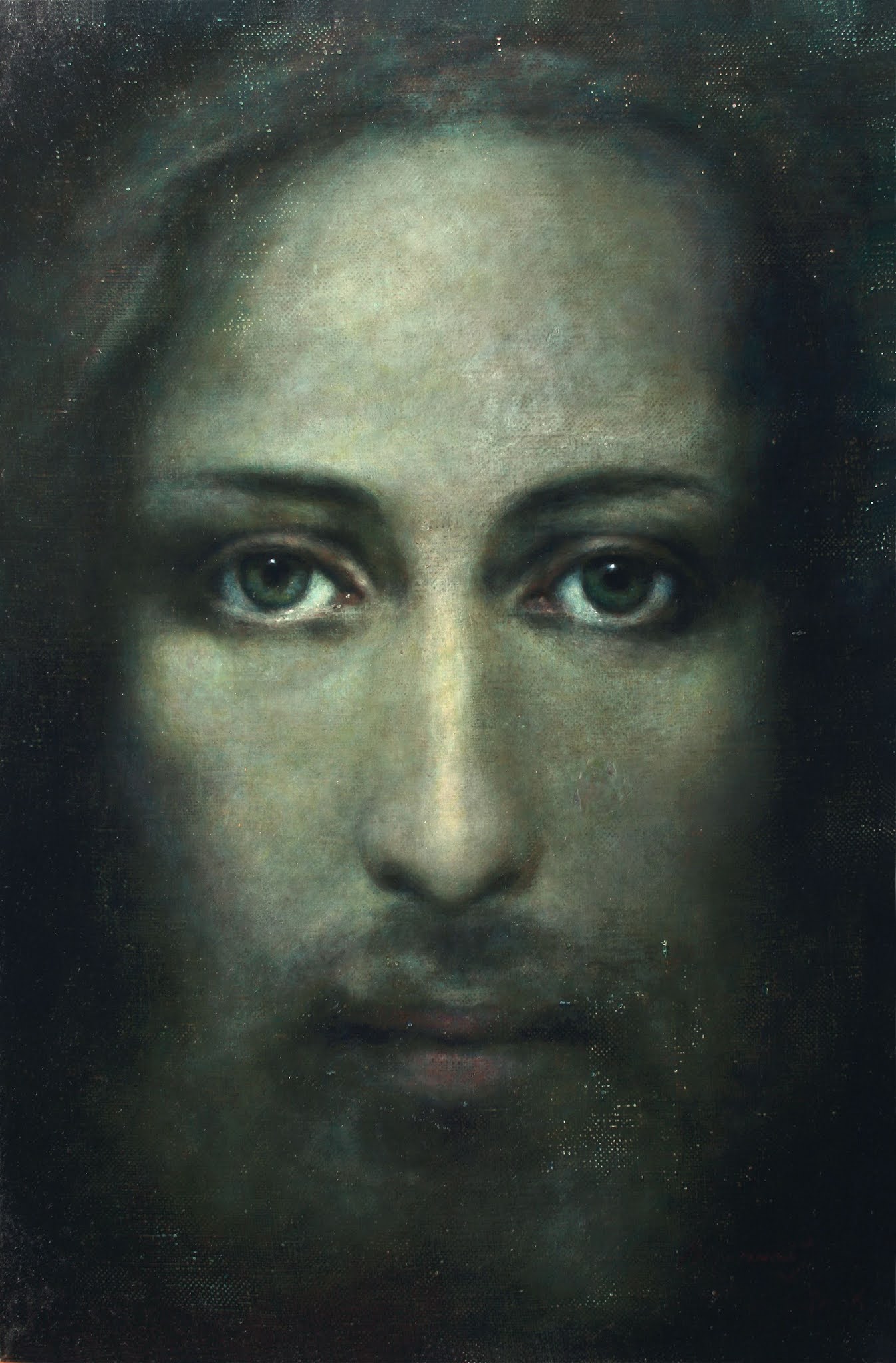
My money lives in a hollow in a tree half way up an abandoned trail on the other side of Bald Mountain in a rusted coffee tin alongside a st christopher medal where the child jesus is carried aloft enroute the remaining climb to summit where there is no money, no stocks, no checkbooks, no insurance, no overdraft, no dividends, and no payoff.
Squirrels, I assume, have shredded the paper tender into nesting material for young offspring as they are taught the down-mountain route, the crossing of downhill road, arriving at hanging sunflower black oil seeds in front yard next to prayer flags and Peruvian brightly colored cross strung along thicket of downed cedar tree from old snowstorm.
I assist auditor reading numbers from spreadsheets with huge payrolls and big salaries, careful to be precise so as not to have to backtrack when bottom lines do not lineup. This exercise of trying to be helpful marks the irony of a seeming detachment and disregard for what might have been called when younger an attraction toward voluntary poverty. Why then do I not rejoice at the lines where individuals post 300, 500, 800 thousand dollars in gross wages alondside others posting 30, 40, 50 thousand in theirs?
One new year's eve day in early 1970's, walking with five colleagues from a child caring institution along a road in a county above new york city, talking about how one of the crowd had left the field to become a stock broker, I made what I thought was an obvious statement that "None of us will ever make more than $20,000 a year." Suddenly I was walking alone, everyone else having stopped in their tracks. One of them said, "Speak for yourself, Harry!" There was an intimation for me in the following silence that I was, in a very lonely sermon, indeed, only preaching an odd eclogue for myself.
Transfixed Francis of Assisi, impoverished Benedict Joseph Labre, and besotted Taneda Santoka -- all paupers, mendicants, wanderers -- were forebears. For them, prayer, poetry, and befuddled idiorhythmics were their temperment and fate. Outcast saints for the spes publica outcasts in our Divina Comedia communities of imagination.
An elderly friar I've know a long time once proclaimed, as if in ecstatic revelation, that "We are a monied economy and society." For him, this proclamation changed everything. I waited for him to say something else. He retreated into silence, stumbling through his insight for the next forty years.
Since central bankers can’t define money anymore, they now have one job: to convince you they still know what they’re doing, so you don’t panic, and so the financial aristocracy hangs onto the legacy system that underpins their ever-growing wealth and assets. Their remaining weaponry is a combination of insincere optimism and linguistic alchemy. As Ryan Gosling’s character in the Big Short says, “Wall Street loves to use confusing terms to make you think only they can do what they do. Or even better, for you to just leave them the f*ck alone.” This applies heavily to central bankers too. It disguises their many failures and shows they achieve stability by complexity. Those who have tried to expose the tomfoolery to the masses have had to endure a life of media solitude. Take Jeff Snider, an expert in the deep dark areas of finance. He tells us, quite simply, that most of what central bankers say does not reflect reality. Yet the mainstream press has no interest in publishing any of his work.
The longer they keep up this deception, then the more people will become aware, increasing the chance of a coordinated uprising. The problem is that it’s never happened before, ever. A nation of angry citizens reacts accordingly. Back in 1860, automotive pioneer Henry Ford said, “It is well enough that people of the nation do not understand our banking and monetary system, for if they did, I believe there would be a revolution before tomorrow morning.”Though it rhymes and does not repeat, history shows us a financial revolution remains a pipe dream.
(--in When the U.S. Dollar Collapses, the Majority Will Back the Elite’s New Currency, Not Crypto, in.Concoda, April 2021)
Monks chant as bells toll in French cloister. What do they pray for? Perhaps they pray for what everyone, whether they pray or not, is longing to find, namely, a way through.
Through what? You name it. Just a way through. To what? You name it. Just whatever it is that provides sanity and safety and sincere encounter with what we desire most.
And what do we desire most?
I don't know -- and, so, cannot say.
But if I did know -- just to play this out -- if I did, by some extraordinary delusion of prescience, know -- Ha! -- I'd take that insane delusion into silence, and, apophatically aphasic, would not be able to, thus, could not, say.
... ... ...
Haiku
(per la mia famiglia)
the begger
hands out
what is uncertain,
looking --
what is it
we hold
(wfh/14april21)